


-

Add: HeBei ShengShi HongBang Cellulose Technology CO.,LTD.
-

Email
13180486930@163.com -

CONTACT US
+86 13180486930
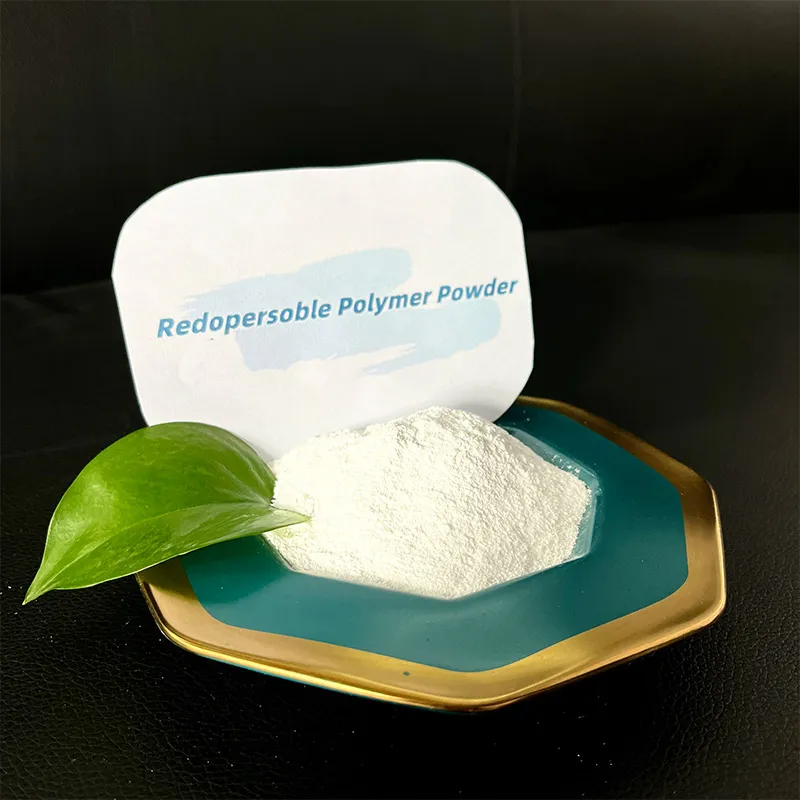


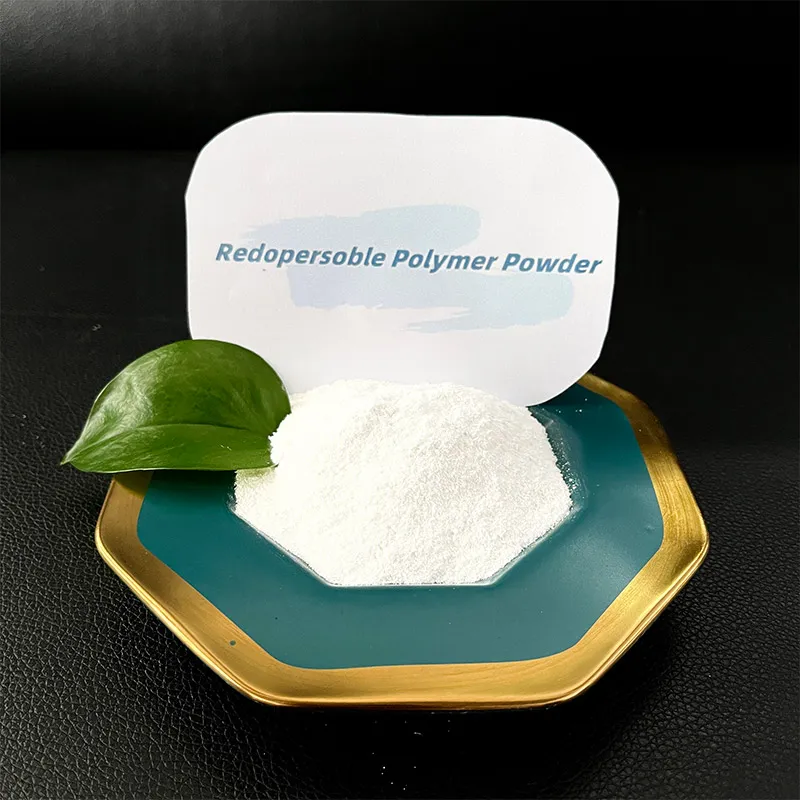


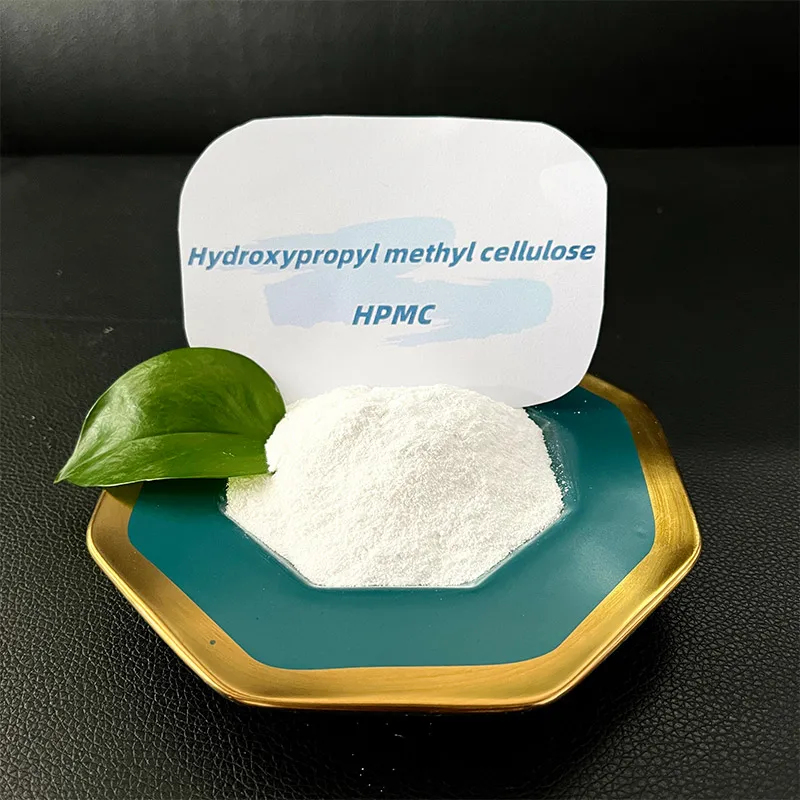
Hydroxypropyl Methylcellulose (HPMC) is a critical additive in the putty powder industry, playing a pivotal role in enhancing the product's performance and application efficiency. As construction demands evolve, the importance of premium-quality putty powder has intensified, with products like HPMC offering a competitive edge. Drawing from years of technical expertise and practical experience, I delve into the remarkable benefits and applications of HPMC in putty powder formulations. HPMC is renowned for its exceptional water retention properties, which are indispensable for quality putty powder. By ensuring prolonged moisture retention, HPMC allows for an extended open time, providing users with ample opportunity for application adjustments and refinements. This feature is particularly beneficial in diverse climatic conditions, where maintaining a consistent moisture level can be challenging yet crucial for a smooth, crack-free finish. In addition to moisture retention, HPMC significantly enhances the workability of putty powder . Its incorporation ensures ease of application, reducing drag and improving the spreadability of the compound across surfaces. This improvement in workability translates to a more uniform application, minimizing waste and ensuring a high-quality finish that professionals in the construction sector demand. Expert application is key to longevity and visual appeal in interior wall coatings, making HPMC a preferred choice for both contractors and DIY enthusiasts aiming for professional-grade results. Ensuring surface adhesion is another area where HPMC excels. It acts as a film-forming agent, enhancing the bond between the putty powder and substrate. This improved adhesion is critical in preventing detachment or flaking, common issues that compromise the durability of wall finishes. The expert formulations with HPMC provide robust adhesion, withstand environmental fluctuations, and adhere well to various substrates, making it versatile for numerous projects. hpmc for putty powder Moreover, HPMC enhances the rheological properties of putty powder, allowing for better leveling and sag resistance. A well-leveled surface is paramount for subsequent layers of paint or other finishes. The incorporation of HPMC imparts a thixotropic nature to the putty, enabling it to remain stable until shear force (such as brushing or troweling) is applied. Once the force is removed, the putty resumes its higher viscosity, preventing sagging and ensuring an even layer distribution. For professionals seeking reliability and durability in their wall preparations, HPMC in putty powder is the mark of quality. It delivers not only on immediate application benefits but also enhances the long-term durability of wall surfaces. Its impact resistance and flexibility further ensure that walls can withstand minor impacts and movements without compromising the integrity of the finish. Purchasing putty powder containing HPMC from reputable sources ensures authenticity and compliance with industry standards. Trustworthiness in the construction material supply chain is paramount, as counterfeit or inferior products can lead to substandard results. Partnering with credible suppliers who adhere to stringent quality controls is essential to leverage the full potential of HPMC-enhanced putty powder. In summary, the incorporation of HPMC into putty powder formulations is a testament to advanced technical expertise and industry requirements. Its multifaceted benefits underscore its indispensability in modern construction projects, providing solutions that enhance efficiency, aesthetics, and durability. With a focus on quality and performance, HPMC continues to stand out as a critical component in achieving superior wall preparation standards.
- 40000tons

Production
- 20+years

Experience
- 5000+㎡

Acreage

-
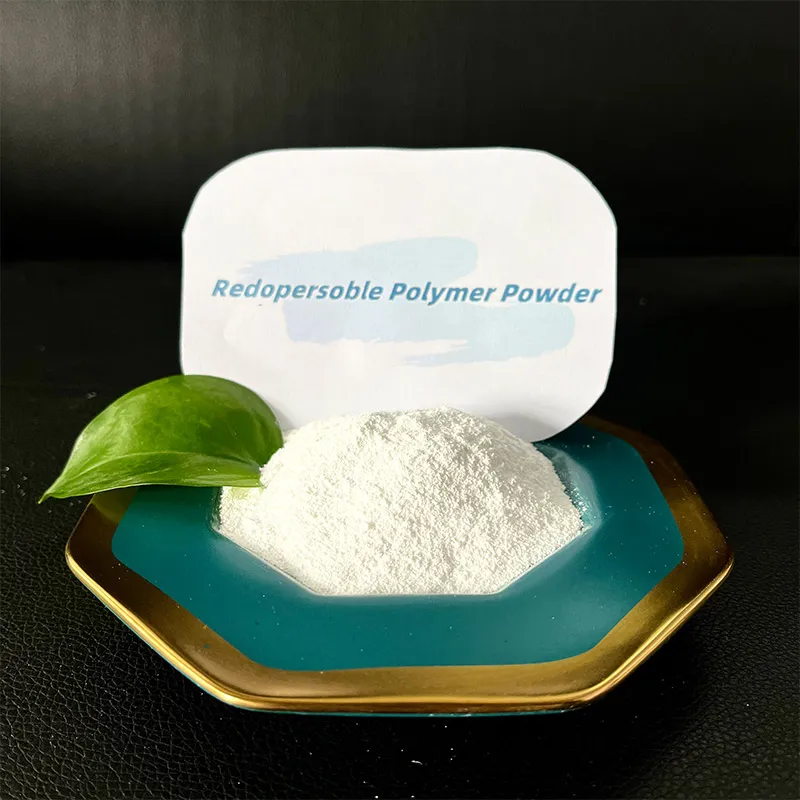
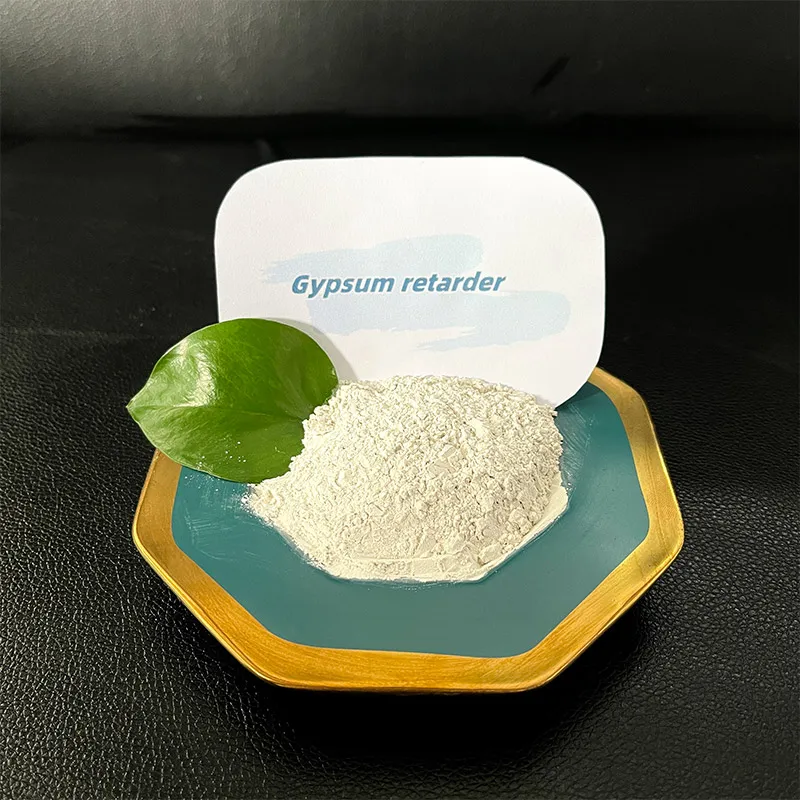
In the construction industry, particularly in plastering, retarder in gypsum plays a crucial role in enhancing the workability and performance of gypsum-based products. A gypsum retarder is an additive that slows down the setting time of gypsum, allowing workers to apply the material more easily and with more flexibility. This becomes particularly useful in large-scale applications, where time management and smooth application are essential for achieving high-quality finishes. The addition of a gypsum retarder not only prevents premature setting but also enhances the material’s usability, making it easier for workers to mix, spread, and smooth out the plaster on walls and ceilings. This is especially beneficial in high-traffic projects or in situations where multiple layers of plaster need to be applied. The retarder in gypsum ensures that the plaster doesn't set too quickly, which could result in uneven surfaces or unfinished work. One of the key advantages of using a gypsum retarder is that it gives professionals the extra time they need to adjust and perfect their work. It allows for consistent results even under tight deadlines or in difficult conditions, which is crucial in construction and renovation projects where precision is key. The Importance of Easy Mix Plaster Retarder for Efficient Workflows An easy mix plaster retarder is an essential tool for any professional working with plaster or gypsum. This type of retarder is specifically designed to simplify the mixing process, enabling workers to achieve the ideal consistency without the stress of rushed drying times. With an easy mix plaster retarder , workers can focus on getting the plaster to the right consistency before it starts setting, resulting in a smoother and more durable finish. What makes an easy mix plaster retarder particularly beneficial is its ability to maintain the material’s workability for extended periods, even in hot weather, which can otherwise cause plaster to set too quickly. By introducing a retarder into the mix, it is possible to maintain optimal plaster consistency and extend working time, ensuring no material is wasted and the application remains flawless. Moreover, the easy mix plaster retarder helps achieve more uniform plaster layers, ensuring consistent thickness and adhesion across the surface. This is particularly important when working on larger surfaces or projects that require more attention to detail, like ornate ceilings or walls with intricate designs. How a Gypsum Retarder Enhances Performance in Plastering Using a gypsum retarder is not just about slowing down the setting time of plaster—it also improves the overall performance of the material in plastering applications. Gypsum, when mixed without a retarder, can harden too quickly, leaving workers with limited time to achieve a smooth and even application. A gypsum retarder allows workers more time to manipulate the material, leading to more precise and even results. In addition to improving the ease of application, a gypsum retarder can also enhance the final appearance of the plaster. It helps to reduce the likelihood of cracking or shrinking during the curing process, which can be caused by the rapid setting of gypsum. By using a gypsum retarder , the material stays workable for longer periods, ensuring a smooth finish that is free of imperfections. This extended working time also gives workers the flexibility to apply multiple coats of plaster without the risk of the first layer setting prematurely. This is especially important in projects that require thicker layers of plaster, such as when leveling uneven walls or creating decorative features. The Advantages of Using Retarders in Gypsum-Based Materials The application of retarder in gypsum offers multiple benefits to both construction professionals and the quality of the final product. The most immediate advantage is the extended working time it provides, which enables workers to achieve a more consistent and high-quality finish. Without a retarder, gypsum can set too quickly, leading to poor application, uneven surfaces, and wasted material. Another advantage of gypsum retarders is that they improve the overall strength and durability of the plaster. When gypsum sets too quickly, it can result in cracks and an uneven texture, which diminishes the overall strength of the wall or surface. By using a gypsum retarder , the material sets gradually, allowing it to form a stronger bond and reducing the likelihood of cracks or weak points in the plaster. Additionally, gypsum retarders can be especially useful in larger projects or those requiring complex designs. The extra working time ensures that workers can complete large areas of plastering without the pressure of fast-setting materials, which is crucial for ensuring consistency and a high-quality finish across the entire surface. What is the Best Time to Use a Retarder in Gypsum? Using a retarder in gypsum is an effective way to extend the working time of plaster and improve the overall quality of the finish. However, it is important to know when and how to use a gypsum retarder for optimal results. For example, it is particularly useful when working in warm environments, as high temperatures can cause gypsum to set too quickly. In these conditions, adding a gypsum retarder will give workers more time to smooth and perfect the plaster without the fear of premature setting. Another scenario where a gypsum retarder is beneficial is when working on intricate plaster designs. These require more time for careful application and finishing, and a retarder can prevent the plaster from hardening before the design is complete. This is crucial for decorative plastering, where precision and smoothness are key. gypsum retarder FAQs What is a gypsum retarder used for? A gypsum retarder is an additive used to slow down the setting time of gypsum-based products. It allows workers to apply and work with the plaster over an extended period, ensuring a smooth and even finish without the material setting too quickly. How does a gypsum retarder affect the drying time? A gypsum retarder extends the drying time of gypsum by delaying the chemical reaction that causes it to set. This gives workers more time to manipulate the material, apply it properly, and achieve a better final result without the pressure of rapid setting. Can a gypsum retarder be used in all types of plastering projects? Yes, a gypsum retarder can be used in most plastering projects where extended working time is needed, such as large-scale applications, intricate designs, or when working in high-temperature environments. It ensures that the plaster remains workable and manageable for longer periods. What is the difference between a gypsum retarder and an easy mix plaster retarder? While both types of retarders slow down the setting time, an easy mix plaster retarder is specifically formulated to simplify the mixing process, making it easier to achieve the right consistency. On the other hand, a gypsum retarder is designed to work specifically with gypsum-based products, improving their overall workability and performance. Are there any downsides to using a gypsum retarder? While gypsum retarders offer many benefits, overuse can lead to a weaker final product or extended curing times. It is important to follow manufacturer guidelines and use the retarder as needed to avoid any potential negative effects on the material’s final strength.
-
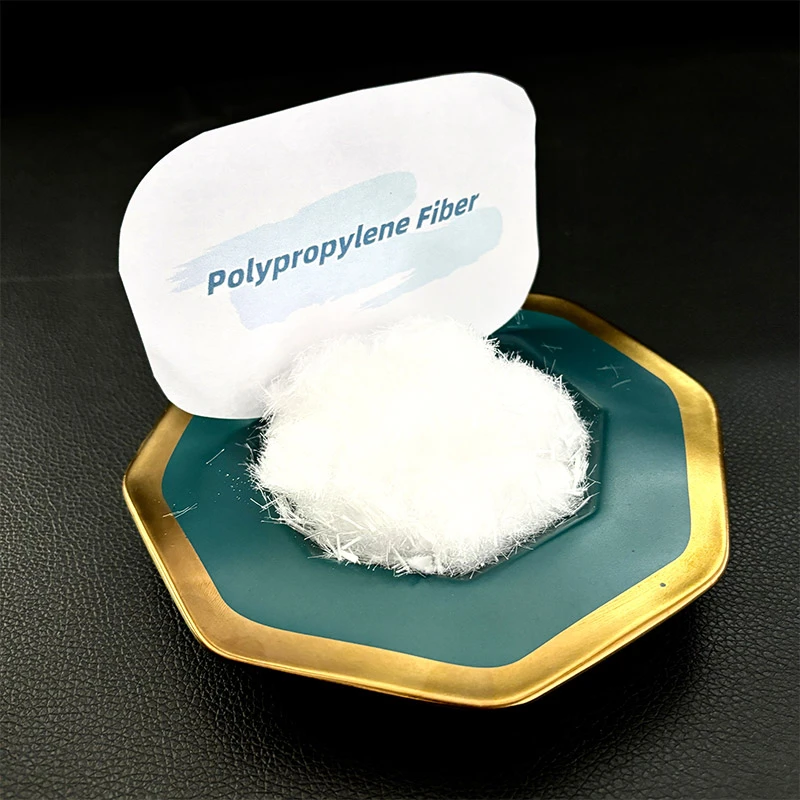
Long glass fiber reinforced polypropylene is revolutionizing the way industries approach manufacturing and engineering . As a material celebrated for its impressive blend of durability, light weight, and cost-effectiveness, it is rapidly becoming the preferred choice across multiple applications. This composite brings together the robust strength of glass fibers with the versatility of polypropylene, crafting a union that excels in providing much-needed structural support while remaining significantly lighter than metals or traditional composites. The secret to its strength lies in the integration of long glass fibers, which are uniformly distributed throughout the polypropylene matrix. This uniform dispersion ensures that the resulting material is immensely strong but not at the expense of adding excessive weight. From automotive to aerospace industries, this material exhibits an unparalleled ability to absorb impact and withstand stress. Engineers value its enhanced fatigue resistance, which is critical in components such as underbody shields, front ends, and bumpers, where safety and durability are paramount. Moreover, its resistance to chemicals and environmental factors extends its lifespan, reducing maintenance costs and downtime — a crucial advantage for industries looking to optimize operational efficiency. In addition to its structural benefits, long glass fiber reinforced polypropylene is a champion of sustainability. Its production involves fewer emissions compared to metal processing, and it is fully recyclable, aligning with growing environmental regulations and expectations for industries to adopt greener practices. Companies incorporating this material are actively contributing to a more sustainable future by minimizing their ecological footprint without compromising on performance. Industries benefit not just from the superior mechanical properties but also from the versatility in design. Because the material can be molded into complex shapes with relative ease, manufacturers find new freedoms to innovate, creating products with intricate geometries that would be challenging with conventional materials. This adaptability supports a broad spectrum of applications, from high-performance sporting goods to intricate housing components in the electronics sector. long glass fiber reinforced polypropylene Furthermore, the economic advantages of long glass fiber reinforced polypropylene cannot be overlooked. Its production and application are more cost-effective than many traditional materials, enabling businesses to achieve a balance between quality and expenditure. The streamlined manufacturing processes not only reduce waste but also enhance production speed, meeting the demands of fast-moving markets without sacrificing quality. Expert insights suggest that as industries push towards lightweighting — reducing weight to improve efficiency and performance — the relevance of such advanced composite materials will continue to expand. Specialists acknowledge that the ability to reduce weight without sacrificing strength is not merely beneficial; it is essential for advancements in technology and engineering. Authoritative voices within the materials science community assert that investing in understanding and implementing these composites can give companies a cutting-edge advantage. There is a consensus that as research evolves, the potential applications will broaden, bringing about breakthroughs that might once have seemed out of reach. For a credible incorporation of long glass fiber reinforced polypropylene, it is advisable for companies to partner with experienced material suppliers and engineers who are well-versed in the nuances of this composite. Trustworthy collaborations ensure the realization of the full potential of this remarkable material, enhancing product performance while fostering innovation. In conclusion, long glass fiber reinforced polypropylene is not just a material; it is a transformative tool that is setting new benchmarks in quality and sustainability. Its extensive applications, coupled with strong environmental credentials, make it an indispensable choice for forward-thinking industries. As global challenges mount, embracing such forward-looking solutions not only positions businesses to succeed today but also prepares them for the demands of tomorrow.
advantages
-

200000 Viscosities
Excellent product
We can produce pure products up to 200,000 viscosities
-

40000 tons
High yield
We don’t stop production all year round, and the annual output can reach 40,000 tons
-

24 hours
Quality service
We provide 24-hours online reception service, welcome to consult at any time
———— Inquiry Form
Schedule A services


-
 adhesif_pour_carrelage_hpmc
Oct . 25, 2025
In a world focused on sustainability, wood cellulose is emerging as a top choice for eco-friendly bu -
 monofilament_polypropylene_fiber
Oct . 25, 2025
Navigating the ever-evolving world of skincare ingredients, one might stumble upon hydroxypropyl sta -
 low_melt_polyester_staple_fiber
Oct . 25, 2025
Hydroxypropyl methylcellulose solution , commonly abbreviated as HPMC, plays a transformative role i


